Views: 0 Author: Site Editor Publish Time: 2025-08-20 Origin: Site


Is your wood floor showing signs of wear and tear? Engineered wood flooring might be the solution you need. Unlike traditional hardwood, it offers enhanced stability and versatility. In this article, you'll learn about the composition, benefits, and types of engineered wood flooring, helping you make an informed choice for your home.
Engineered wood flooring is a wood floor made from multiple layers of materials. The top layer, called the wear layer, is a thin slice of real hardwood, such as oak or maple, that gives the floor its natural wood appearance. Beneath this veneer lies a core made of plywood or high-density fiberboard, arranged in cross layers to add strength and stability. This layered construction helps engineered wood resist warping and shrinking caused by changes in humidity and temperature.
Unlike solid hardwood, which is a single piece of wood throughout, engineered wood is a manufactured wood flooring product designed for enhanced durability. The plywood core stabilizes the floor, making it suitable for areas where solid wood might struggle, like basements or rooms with concrete subfloors.
Both engineered hardwood flooring and solid hardwood offer the authentic look and feel of wood. However, engineered wood flooring has advantages in stability and installation versatility. Solid hardwood can expand and contract significantly with moisture changes, which can cause gaps or cupping. Engineered wood’s layered design limits this movement, making it more dimensionally stable.
Solid hardwood floors can be sanded and refinished many times due to their full thickness, often lasting decades longer. In contrast, engineered wood flooring can usually be refinished only once or twice, depending on the thickness of the wear layer. However, engineered wood often comes pre-finished, saving time and cost during installation.
Multi-layer Construction: Real wood veneer over plywood core.
Enhanced Stability: Less prone to warping and shrinking.
Versatile Installation: Suitable for concrete subfloors and radiant heating.
Variety of Wood Species: Available in oak, walnut, and exotic species.
Refinishing Capability: Limited by wear layer thickness.
Pre-finished Options: Many engineered wood floors come ready to install.
Engineered oak flooring and other species are popular choices because they combine beauty with resilience. Waterproof engineered wood flooring variants also exist, offering extra protection in moisture-prone areas.
Choosing the best engineered wood flooring depends on factors like wear layer thickness, core construction, and finish quality. These influence durability, maintenance, and overall performance.
Note: When selecting engineered wood flooring, always check the wear layer thickness and core material to ensure it fits your installation environment and expected usage.
One of the standout benefits of engineered wood flooring is its superior stability compared to traditional solid wood floors. Thanks to its multi-layered construction, where real wood veneer sits atop a plywood or high-density fiberboard core, engineered wood flooring resists warping, cupping, and shrinking caused by moisture and temperature fluctuations. This makes it an excellent choice for areas prone to humidity changes, such as kitchens, basements, or rooms with radiant heating systems.
Engineered wood’s durability also comes from the strength of its core layers. These layers provide a solid foundation that can withstand heavy foot traffic and everyday wear. While the wear layer thickness affects how many times you can sand and refinish the surface, many engineered hardwood flooring options offer sufficient durability to last for decades when properly maintained.
Engineered wood flooring offers remarkable versatility in installation methods. Unlike solid hardwood, which often requires nailing down to a wooden subfloor, engineered wood can be installed using several techniques:
Glue-Down Technique: Adhesive applied directly to the subfloor, suitable for concrete slabs.
Nail-Down Method: Fastening planks to wooden subfloors using nails or staples.
Click-Lock System: A floating floor installation where planks snap together without glue or nails.
This flexibility means engineered wood can be laid over various subfloors, including concrete and radiant heating systems. The click-lock system, in particular, is popular for DIY projects due to its ease and speed. Moreover, engineered timber flooring can accommodate wider plank widths than solid wood, allowing for more design options like engineered oak flooring in larger formats.
While engineered wood flooring prices can vary based on quality, species, and finish, it often presents a cost-effective alternative to solid hardwood. The initial engineered wood flooring cost may seem comparable or slightly higher, but savings are realized in installation and maintenance. Many engineered wood floors come pre-finished, reducing labor and finishing costs.
Additionally, engineered wood flooring requires less acclimation time before installation, speeding up project timelines. Its durability reduces the need for frequent repairs or replacements, making it a smart long-term investment. When considering engineered wood flooring prices, factor in lower installation expenses and the floor’s lifespan to understand its overall value.
Tip: When selecting engineered wood flooring, prioritize a thicker wear layer and a high-quality core to maximize stability, durability, and cost-effectiveness for your project.
When choosing engineered wood flooring, understanding the different quality levels, wood species, and finishes is essential. These factors influence the floor’s look, durability, and cost, helping you find the best engineered wood flooring for your project.
Engineered wood comes in three main quality tiers:
Good Quality: Typically features 3-ply construction with a 1–2 mm wear layer. These floors come with around five finish coats and offer a 10- to 15-year warranty. They usually use common species like oak or ash and have limited stain options. Prices start around $2.50 per square foot. This option suits budget-conscious projects with light foot traffic.
Better Quality: These floors have 5-ply construction and a thicker 2–3 mm wear layer, allowing light refinishing. They include seven finish coats and warranties up to 25 years. More wood species such as cherry and beech are available, along with various stains and surface effects like distressing. Expect prices near $7 per square foot. This level balances durability and aesthetics for moderate traffic areas.
Best Quality: High-end engineered timber flooring boasts 7–9 ply layers and wear layers over 3 mm thick, supporting multiple refinishes. They come with nine finish coats and 25+ year warranties. The selection of species expands to include exotic and reclaimed woods. Finishes include hand-scraped and wire-brushed textures. Prices can reach $14 or more per square foot. This premium choice suits high-traffic spaces and discerning tastes.
Engineered wood flooring offers a wide variety of species, each with unique grain patterns and hardness:
Oak: The most popular choice, especially engineered oak flooring, known for its durability and classic look.
Maple: Offers a smooth, modern appearance with a light tone.
Walnut: Provides rich, dark hues and a softer feel underfoot.
Exotic Woods: Species like Brazilian cherry or acacia add bold color and texture, often found in the best quality ranges.
Choosing the right species depends on your design preferences and the room’s usage.
Finishes affect the floor’s appearance and protection level:
UV-Cured Lacquer: Durable and low maintenance, common in pre-finished engineered wood.
Oil Finish: Penetrates the wood for a natural look but requires more upkeep.
Surface Effects: Hand-scraped, wire-brushed, or distressed finishes add character and texture.
Styles include traditional planks, wide boards, parquet, and chevron patterns. Engineered wood’s stability allows for wider planks and intricate patterns like engineered oak wood flooring in parquet style.
Tip: When selecting engineered wood flooring, prioritize a thicker wear layer and multiple ply construction to ensure long-lasting durability and the ability to refinish your wood floor when needed.
When it comes to fitting engineered wood flooring, there are three popular installation techniques: the glue-down method, the nail-down method, and the click-lock system. Each offers unique benefits depending on your subfloor type, room conditions, and whether you prefer a professional or DIY approach.
The glue-down technique involves spreading adhesive directly on the subfloor, then laying the engineered wood planks on top. This method works especially well over concrete slabs or radiant heating systems, where nailing isn't practical.
Advantages:
Creates a solid, stable floor with minimal movement
Reduces noise and hollow sounds underfoot
Suitable for waterproof engineered wood flooring installations
Considerations:
Requires time for the adhesive to set properly
Removal or replacement of damaged planks can be labor-intensive
Subfloor must be clean, dry, and level before application
The nail-down method secures planks to a wooden subfloor using nails or staples. It’s a traditional approach similar to solid hardwood installation but adapted for engineered timber flooring.
Advantages:
Quick and efficient installation process
Provides a durable, long-lasting wood floor
Easier to replace individual planks if damaged
Considerations:
Not suitable for concrete or uneven subfloors
Requires a wooden subfloor for fastening
Potential for squeaking if improperly installed
The click-lock system features specially milled edges that snap together, creating a floating floor without glue or nails. This method is popular for its ease and speed, making it ideal for DIY projects or renovations.
Advantages:
Simple, fast installation without adhesives or nails
Can be installed over various subfloors, including concrete
Easy to remove or replace planks as needed
Considerations:
May feel less solid compared to glued or nailed floors
Requires a suitable underlayment to reduce noise and improve comfort
Not recommended for extremely high-traffic commercial areas
Tip: Before laying engineered wood flooring, ensure your subfloor is clean, dry, and level to achieve the best results regardless of the installation method chosen.
Maintaining your engineered wood flooring starts with simple daily care. Regularly sweep or vacuum your wood floor to remove dust and grit that can scratch the surface. Use a soft-bristle broom or a vacuum designed for hard floors to avoid damage. For more thorough cleaning, a damp microfiber mop paired with a cleaner specifically formulated for engineered hardwood flooring works best. Avoid soaking the floor with water, as excess moisture can seep into seams and damage the core layers.
Spills should be wiped up immediately to prevent staining or warping, especially if you have waterproof engineered wood flooring, which offers some resistance but isn’t entirely impervious to moisture. Place felt pads under furniture legs to reduce scratches when moving pieces around. Using area rugs in high-traffic zones can also protect your floor from wear and tear.
To keep your engineered timber flooring looking its best over time, controlling indoor humidity is key. Wood floors expand and contract with moisture changes, but engineered wood is more stable than solid hardwood. Aim to maintain humidity levels between 35% and 55% to minimize movement and prevent gaps or buckling.
Avoid steam mops or harsh chemical cleaners, as these can degrade the finish or damage the wood veneer. Instead, stick to gentle, pH-neutral cleaning products designed for wood floors. Consider professional deep cleaning every year or two to remove embedded dirt and restore shine.
Sunlight can cause fading or discoloration on engineered oak flooring and other species. Use curtains or blinds to limit direct UV exposure. When moving heavy furniture, always lift rather than drag to avoid scratching the surface. Adding protective pads to chair and table legs can further extend your floor’s lifespan.
One advantage of engineered wood flooring is its ability to be refinished, though this depends on the wear layer thickness. Floors with thicker veneers (around 3mm or more) can be sanded and refinished once or twice, restoring their original beauty and removing surface scratches or stains. Thinner wear layers allow only light sanding, so refinishing options are limited.
Refinishing should be performed by professionals experienced with engineered hardwood flooring to avoid damage. The process involves sanding the surface, applying a new finish, and allowing proper drying time. Keep in mind that refinishing costs vary based on floor size and condition but can be a worthwhile investment to extend your floor’s life.
If your engineered oak wood flooring shows signs of wear, refinishing can rejuvenate it and help maintain the value of your home.
Tip: Regularly clean your wood floor with a damp microfiber mop and avoid excess water to protect the engineered wood layers and keep your flooring looking fresh for years.
When planning for engineered wood flooring, understanding the costs involved is crucial. The engineered wood flooring cost varies widely depending on the quality, species, and finish you select. Typically, prices range from $4.50 to $16 per square foot. Entry-level options with thinner wear layers and fewer ply constructions tend to be more affordable, while premium engineered timber flooring with thicker wear layers and exotic species commands higher prices.
Installation costs also vary based on the method chosen. Glue-down installations over concrete slabs generally cost more due to the labor intensity and adhesive materials. Nail-down methods require a wooden subfloor and are moderately priced, while the click-lock system often offers the most budget-friendly and DIY-friendly option. Installation fees usually range from $0.60 to $4 per square foot.
Subfloor preparation is another important factor. If your subfloor needs leveling or repairs before laying engineered wood flooring, expect additional costs, sometimes between $3 and $10 per square foot. Complex room layouts or larger spaces may increase both material waste and labor time, affecting the total price.
Maintenance costs should be factored into your budget. Regular cleaning supplies for your wood floor are relatively inexpensive but essential to prolong the floor’s life. Over time, refinishing may be necessary, especially for floors with thicker wear layers like some engineered oak wood flooring. Refinishing costs vary but typically fall between $3 and $5 per square foot.
Choosing waterproof engineered wood flooring can reduce potential damage costs in moisture-prone areas, but these variants may carry a premium price. Investing in quality finishes and proper care can minimize long-term expenses.
Compared to solid hardwood, engineered wood flooring often has a lower total cost of ownership. Although the initial material price might be similar or slightly higher, savings arise from easier installation and less finishing work. Engineered wood flooring prices are competitive when considering the reduced labor, faster fitting, and lower acclimation needs.
Additionally, engineered wood’s durability and stability reduce the likelihood of costly repairs due to warping or moisture damage. For homeowners seeking the best engineered wood flooring within a budget, focusing on mid-range quality with a durable wear layer offers excellent value.
| Cost Aspect | Engineered Wood Flooring | Solid Hardwood Flooring |
|---|---|---|
| Material Price (per sq. ft.) | $4.50 - $16 | $5 - $15+ |
| Installation Cost (per sq. ft.) | $0.60 - $4 | $3 - $8 |
| Subfloor Prep Cost | $3 - $10 | $3 - $10 |
| Maintenance & Refinishing | Moderate, limited refinishing | Higher, multiple refinishes |
| Total Cost Over Time | Generally lower | Potentially higher |
Tip: When estimating your wood floor project budget, include material quality, installation method, and maintenance to get a realistic picture of engineered wood flooring cost and value.
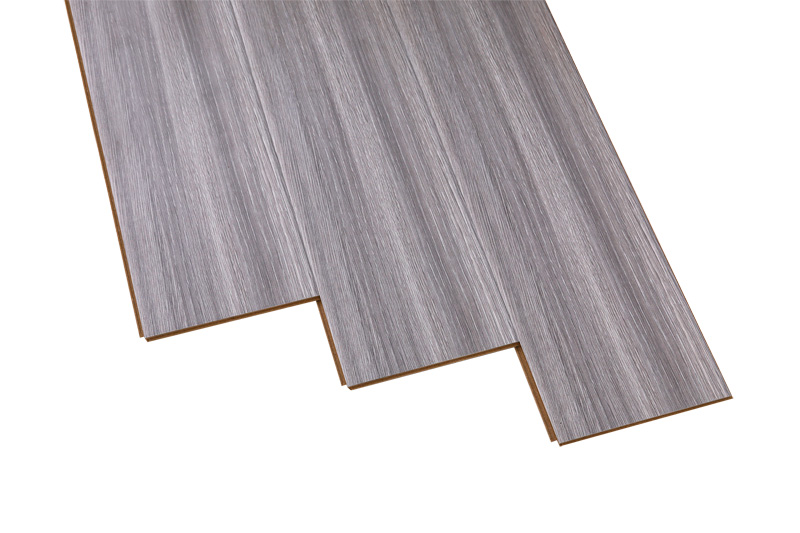
Engineered wood flooring combines a real hardwood veneer with a stable core, offering enhanced durability and versatility over solid wood. It adapts well to various environments and installation methods, making it ideal for many home projects. While it may have limited refinishing potential, its cost-effectiveness and stability are significant advantages. Consider engineered wood flooring from Foshan Zesheng Building Materials Co., Ltd.LTD. for your next home renovation. Their products provide beauty and resilience, ensuring long-term value and satisfaction.
A: Engineered wood flooring is a type of wood floor made from multiple layers, including a top layer of real hardwood and a core of plywood or high-density fiberboard, offering enhanced stability and resistance to humidity changes.
A: Engineered hardwood flooring is more stable and versatile in installation than solid hardwood, which can warp with moisture changes. However, solid wood can be refinished more times due to its full thickness.
A: Engineered timber flooring offers superior stability, versatile installation options, and cost-effectiveness, making it suitable for various environments, including basements and areas with radiant heating.
A: Engineered wood flooring prices range from $4.50 to $16 per square foot, depending on quality, species, and finish. Installation costs vary based on the method and subfloor preparation required.
A: Yes, engineered oak wood flooring can be refinished, but the number of times depends on the wear layer thickness, typically allowing for one or two refinishes.


