
Views: 0 Author: Site Editor Publish Time: 2025-08-20 Origin: Site


Can you steam clean wood floors without causing damage? This question puzzles many homeowners. Wood floors, known for their beauty, require careful maintenance. In this article, we'll explore the concept of steam cleaning and its impact on wood floors. You'll learn about potential risks, benefits, and safer alternatives for maintaining your wood floor's integrity.
Steam cleaning wood floors might seem like an efficient way to clean, but it carries risks. Wood is a natural material sensitive to moisture and heat. Excess steam can cause wood planks to swell, warp, or even crack over time. The heat and moisture may break down the protective finish, leaving the surface vulnerable to scratches and stains. This damage is especially common in solid wood floors, which absorb water more readily than engineered types. If steam penetrates the seams, it can loosen the adhesive or cause cupping, leading to costly repairs.
Despite the risks, steam cleaning wood floors offers some benefits. It sanitizes surfaces by killing bacteria and allergens without harsh chemicals. Steam cleaners can remove stubborn dirt and grime, making them appealing for those seeking a deep clean. For some engineered wood floors with strong finishes, steam cleaning can be a quick and eco-friendly cleaning method. It also reduces the need for chemical wood floor cleaning solutions, which can sometimes damage finishes or leave residues.
Not all wood floors respond the same to steam cleaning. Engineered wood floors with a durable, sealed finish tolerate steam better than solid hardwood. The top layer of engineered wood is typically thinner but protected by a strong coating, making it less prone to moisture damage. Laminated wood floors usually have a protective layer that resists moisture, but steam can still cause delamination if overused. Solid wood floors are generally the least suitable for steam cleaning due to their porous nature.
Always check the manufacturer’s guidelines before using a steam cleaner on your wood floor. Many manufacturers explicitly advise against steam cleaning because it voids warranties or risks damage. Some may approve steam cleaning only with specific models or settings, emphasizing low moisture and quick drying. Following these recommendations ensures you maintain your floor’s finish and longevity.
If you want to avoid the risks, consider safer wood floor cleaning methods. Traditional cleaning with a damp mop and pH-neutral wood floor cleaning solutions is effective and gentle. Dry cleaning techniques, like microfiber dust mopping, remove dirt without moisture. For deeper cleaning, specialized hardwood floor cleaners and polishing products maintain both cleanliness and finish. These alternatives support long-term wood floor maintenance without the potential harm from steam.
Tip: Always test steam cleaning on a small, inconspicuous area of your wood floor first to ensure it won’t cause damage before proceeding with full cleaning.
Solid wood floors consist of a single piece of natural wood, typically ¾ inch thick. They offer timeless beauty and can be sanded and refinished multiple times, making them durable over the long term. However, solid wood is highly sensitive to moisture and temperature changes. This makes it prone to swelling, shrinking, and warping if exposed to excess water or steam. Because of these characteristics, solid wood floors require careful maintenance and are generally not recommended for steam cleaning wood floors.
Engineered wood floors feature a thin layer of hardwood veneer bonded over multiple layers of plywood or high-density fiberboard. This construction offers greater stability against moisture and temperature fluctuations compared to solid wood. Engineered floors often come pre-finished with durable coatings, making them somewhat more resistant to damage from steam cleaning. However, the veneer layer is thinner and can wear down over time, so maintaining the finish is crucial. Steam cleaning hardwood floors might be feasible with some engineered types but always depends on the manufacturer’s guidelines.
Laminated wood floors are made from composite wood materials topped with a photographic layer that mimics wood grain, sealed with a protective wear layer. They are highly resistant to scratches, stains, and moisture, making them easier to maintain than solid or engineered wood. However, laminated floors are not true wood; excessive moisture or steam can cause the layers to delaminate or swell. Steam cleaning wood floors with laminated surfaces is generally discouraged to avoid damage to the laminate layer and the adhesive underneath.
| Wood Floor Type | Durability | Moisture Resistance | Refinishing Ability | Suitability for Steam Cleaning |
|---|---|---|---|---|
| Solid Wood Floors | High (with refinishing) | Low (sensitive to moisture) | Can be sanded multiple times | Not recommended |
| Engineered Wood Floors | Moderate to high | Moderate (better than solid) | Limited (thin veneer) | Possible with caution and approval |
| Laminated Wood Floors | Moderate | High (resistant but vulnerable to steam) | Not refinished | Generally not recommended |
Understanding these differences is essential when deciding on wood floor cleaning techniques. For example, steam cleaning hardwood floors might work on some engineered types but poses risks for solid and laminated floors. Choosing the best way to clean hardwood floors involves knowing your floor type and using safe wood floor cleaning methods tailored to it.
Tip: Always identify your wood floor type before applying any wood floor cleaning solutions or steam cleaning wood floors to avoid damage and extend its lifespan.
Steam cleaning wood floors offers several benefits that appeal to many homeowners and professionals. First, it provides a deep clean by penetrating tiny crevices and removing dirt and grime that traditional mopping might miss. The high temperature of steam kills bacteria, dust mites, and allergens, making it a hygienic choice for those with allergies or pets. Additionally, steam cleaning wood floors reduces the need for chemical cleaning solutions, which can sometimes harm the floor’s finish or leave residues. It is also an eco-friendly method that uses only water, making it safer for the environment and indoor air quality. For engineered wood floors with durable finishes, steam cleaning hardwood floors can be a quick and effective option when done correctly.
Despite its cleaning power, steam cleaning wood floors has notable downsides. The primary concern is moisture exposure. Wood is sensitive to water and heat, and steam introduces both simultaneously. Excess moisture can seep into the wood, causing swelling, warping, or cupping. Over time, repeated steam cleaning may degrade the protective finish, leading to dullness or peeling. This damage is especially common in solid wood floors, which absorb moisture more readily. Using a steam cleaner for wood floors without proper settings or precautions increases the risk of long-term harm. Furthermore, some steam cleaners emit too much steam or heat, making them unsuitable for delicate wood surfaces.
Repeated steam cleaning can have cumulative effects on wood floors. The heat and moisture may cause structural changes in the wood fibers, weakening the planks and joints. This can result in permanent warping or cracking, which compromises the floor’s integrity and appearance. The finish layer, which protects the wood from scratches and stains, may also break down over time, requiring refinishing or repairs. For engineered wood floors, excessive steam exposure might delaminate the veneer or loosen adhesives. Laminated floors risk swelling and separation of layers. Overall, steam cleaning wood floors frequently without following safe wood floor cleaning methods can shorten their lifespan.
The floor finish plays a critical role in protecting wood floors from damage. Steam cleaning can affect finishes differently depending on their type and quality. Polyurethane finishes, common on many hardwood floors, can soften or become cloudy when exposed to heat and moisture. Oil-based finishes might absorb steam, leading to discoloration or uneven wear. Waxed floors are particularly vulnerable since steam can strip away the wax layer, leaving the wood exposed. Maintaining the finish is essential in any wood floor maintenance guide, so understanding how steam interacts with your floor’s coating is crucial. Using steam cleaning wood floors cautiously and infrequently helps preserve the finish’s integrity.
Tip: When considering steam cleaning wood floors, always use a steam cleaner with adjustable settings and minimal moisture output to protect your floor’s finish and structure.
Before steam cleaning wood floors, preparation is key to avoid damage. Start by thoroughly sweeping or dust mopping to remove loose dirt and debris. Any grit left on the surface can scratch the wood during cleaning. Next, check for gaps or cracks in the floorboards; steam can seep through these and cause swelling or warping. Seal any noticeable gaps if possible. Remove rugs, furniture, and other obstacles to allow full access and prevent moisture from getting trapped underneath. Ensure your wood floor is dry and at room temperature before starting. Proper preparation supports safe wood floor cleaning techniques and helps maintain the finish.
Not all steam cleaners are suitable for wood floors. Look for models specifically designed for hardwood or engineered wood, featuring adjustable steam settings and low moisture output. Avoid steam cleaners that produce high heat or continuous steam, as they increase the risk of damage. Some steam cleaners come with microfiber pads or soft brushes that gently clean without scratching. Investing in a steam cleaner for wood floors with precise controls allows you to clean wood floors with steam safely and effectively. Always read the manufacturer’s instructions and ensure the cleaner matches your floor type.
Fill the steam cleaner with distilled water to prevent mineral buildup.
Set the steam level to the lowest or a “wood floor” setting if available.
Test on a small, hidden area to confirm no adverse effects.
Slowly move the steam cleaner across the floor in sections, avoiding lingering in one spot.
Use gentle, overlapping strokes to loosen dirt and grime.
Immediately wipe the floor with a dry microfiber cloth or mop to absorb moisture.
Repeat only if necessary, allowing the floor to dry completely between passes.
This method balances thorough cleaning with minimal moisture exposure, aligning with safe wood floor cleaning methods.
After steam cleaning, it’s crucial to maintain your wood floor’s condition. Keep the floor dry and ventilated to speed drying and prevent moisture damage. Avoid walking on the floor with wet feet or placing furniture back until fully dry. Regularly apply recommended wood floor cleaning solutions or polishes to protect the finish. Incorporate dust mopping and spot cleaning into your wood floor maintenance guide to reduce the need for intensive steam cleaning. Following these wood floor cleaning tips helps preserve your floor’s beauty and durability over time.
Tip: Use distilled water in your steam cleaner to prevent mineral deposits that can harm your wood floor’s finish during steam cleaning.
When it comes to how to clean wood floors safely and effectively, traditional cleaning methods remain a trusted choice. These methods involve using a soft broom or microfiber dust mop to remove dirt and debris regularly. For deeper cleaning, a damp mop with a pH-neutral wood floor cleaning solution works well. This approach avoids excessive moisture, which can harm wood floors. Traditional cleaning also allows you to control the amount of water applied, reducing the risk of warping or damage. It’s a simple, cost-effective way to maintain your floors daily without the risks associated with steam cleaning wood floors.
Dry cleaning techniques are particularly valuable for maintaining wood floors without damage. Using microfiber dust mops or electrostatic dry mops helps trap dust, pet hair, and fine particles without introducing moisture. This method prevents scratches and finish wear caused by grit left on the surface. Dry cleaning is fast, requires minimal equipment, and is ideal for routine upkeep. It also complements other wood floor cleaning techniques by keeping floors clean between wet cleanings. Incorporating dry cleaning into your wood floor maintenance guide can extend the life of your floor’s finish and reduce the need for more intensive cleaning methods.
Specialized wood floor cleaning solutions offer another alternative to steam cleaning hardwood floors. These products are formulated to clean effectively while preserving the floor’s finish and natural beauty. Many come as sprays or concentrates that you dilute with water, allowing you to control moisture levels. Wood floor cleaning solutions often contain ingredients that nourish the wood and protect against wear. Using these cleaners as part of your wood floor cleaning guide ensures a balanced approach that cleans without stripping or dulling the finish. Always select products labeled safe for your specific wood floor type and follow manufacturer instructions for the best results.
When deciding between steam cleaning wood floors and alternatives, consider both cost and effectiveness. Steam cleaners can be a higher upfront investment, especially models designed specifically for wood floors with adjustable steam levels. They may save time on deep cleaning but carry risks that could lead to costly repairs if misused. Traditional and dry cleaning methods require minimal equipment, often just a mop and cleaning solution, making them more affordable. While steam cleaning provides a deep clean, the alternatives offer safer, consistent maintenance that protects your floor’s finish long term. Evaluating your budget and cleaning needs helps determine the best way to clean hardwood floors without compromising their integrity.
Tip: For routine wood floor maintenance, combine dry cleaning with specialized wood floor cleaning solutions to effectively clean without moisture-related risks.
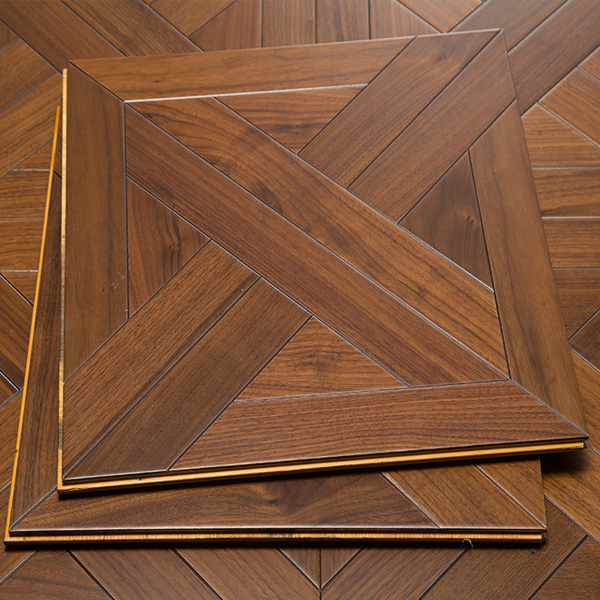
Steam cleaning wood floors offers deep cleaning and sanitization but poses moisture and heat risks. Engineered wood floors tolerate steam better than solid wood, which is more susceptible to damage. Traditional cleaning methods, like damp mopping with pH-neutral solutions, are safer alternatives. Always check manufacturer guidelines before steam cleaning. Foshan Zesheng Building Materials Co., Ltd.LTD. provides high-quality wood floor products that ensure durability and beauty, emphasizing safe cleaning practices to maintain floor integrity over time. Proper maintenance extends the lifespan of your wood floors.
A: Steam cleaning wood floors can be risky due to moisture and heat, which may cause damage. It's safer for engineered wood with strong finishes, but always check manufacturer guidelines first.
A: Use a damp mop with a pH-neutral wood floor cleaning solution and regularly dust mop to avoid scratches, ensuring minimal moisture exposure.
A: Yes, choose steam cleaners with adjustable settings and low moisture output designed for wood floors to minimize damage risks.
A: Implement regular dust mopping, use safe wood floor cleaning solutions, and avoid excessive moisture to preserve the finish and longevity.


