
Views: 0 Author: Site Editor Publish Time: 2025-06-12 Origin: Site


In today's world, where home design is increasingly focused on both function and style, waterproof wood flooring has emerged as a top choice for homeowners. This innovative flooring option combines the timeless charm of natural wood with advanced technology that resists water damage, making it ideal for nearly every room in the house. Whether you're designing a new home or renovating an existing one, waterproof wood flooring offers an excellent blend of practicality, beauty, and durability that fits perfectly into modern living.
Traditional hardwood floors are known for their warm, classic appearance. However, they come with a significant drawback—vulnerability to moisture. Wood is a natural material that expands and contracts with changes in humidity. When exposed to water for extended periods, it can warp, swell, crack, or even rot. This has historically made wood flooring a risky choice for high-moisture areas such as kitchens, bathrooms, laundry rooms, and basements.
Spills, pet accidents, and even daily mopping can all pose threats to the integrity of traditional hardwood. For busy families and pet owners, the ongoing maintenance and caution required to protect real wood can become a hassle. That’s where waterproof wood flooring steps in as a modern, more resilient alternative.
Waterproof wood flooring is a category of flooring products designed to look like natural wood while being resistant to moisture. These floors are often constructed using layers of materials that include real wood veneers, high-density core boards, and waterproof underlayment or sealants. There are also engineered wood and luxury vinyl plank (LVP) options that imitate wood grain but are built with water-resistant materials.
This construction allows the flooring to maintain its appearance and structural integrity even in environments with high humidity, standing water, or frequent spills. Unlike traditional hardwood, waterproof wood flooring doesn't swell, warp, or stain when exposed to moisture.
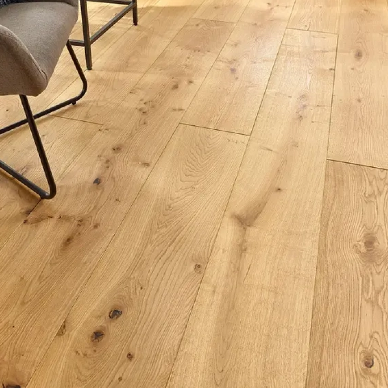
One of the most significant benefits of waterproof wood flooring is its long lifespan. The multi-layered construction often includes a wear-resistant top layer, which helps protect against scratches, dents, and stains. This makes it an excellent option for homes with children, pets, or high foot traffic.
Because the flooring resists water, it's less likely to suffer from the mold and mildew that can develop under standard wood flooring. This feature can extend the life of your floors and protect the health of your household.
Waterproof wood flooring comes in a wide range of styles, colors, and textures that mimic natural hardwood. From light oak and rich walnut to weathered gray and rustic pine, the design possibilities are almost endless. You can choose planks that match your home’s aesthetic—whether modern, farmhouse, coastal, or traditional—without sacrificing functionality.
Some styles even replicate popular patterns like herringbone or chevron, allowing for elegant and creative interior layouts. Because it looks just like real wood, it can be used in all areas of the home for a seamless, cohesive appearance.
Homeowners love waterproof wood flooring for its ease of care. Regular sweeping or vacuuming is usually enough to keep it clean. Unlike traditional wood, it doesn’t require special polishes, sealants, or waxes to stay in good condition. Most waterproof options can be cleaned with a damp mop and mild detergent without the risk of damage.
This low-maintenance quality makes it a great choice for busy families, individuals who prefer hassle-free upkeep, or rental property owners who want durability with minimal maintenance.
Waterproof wood flooring’s resistance to water makes it suitable for areas where traditional wood is not typically used. It can be installed in:
Bathrooms: Where splashes and high humidity are common.
Kitchens: Where spills and drips happen daily.
Laundry Rooms: Where appliances can leak or overflow.
Basements: Where moisture levels can fluctuate and the risk of water damage is higher.
Entryways and Mudrooms: Where wet shoes and umbrellas are often stored.
This flexibility allows homeowners to maintain a consistent design throughout the house without switching to tile or vinyl in wet zones.
Many manufacturers are now producing waterproof wood flooring with environmentally friendly materials and sustainable manufacturing practices. Engineered wood products often use less raw hardwood than solid wood planks, conserving valuable natural resources. Some waterproof flooring options are also recyclable and meet low-VOC (volatile organic compounds) standards, improving indoor air quality.
High-quality waterproof wood flooring can increase the resale value of your home. Prospective buyers appreciate stylish, durable, and low-maintenance flooring, especially in homes with children or pets. Because it blends visual appeal with practical benefits, waterproof flooring can make a strong impression during home showings and inspections.
Selecting the right flooring involves considering several factors, including your household needs, budget, design preferences, and installation requirements. Here’s what to keep in mind:
Waterproof wood flooring may include real wood veneers, wood-plastic composite (WPC), or stone-plastic composite (SPC) cores. WPC is known for its comfort underfoot, while SPC offers enhanced durability and stability.
Look for a thick and durable wear layer, especially in high-traffic areas. The thicker the wear layer, the better the floor resists scratches, dents, and daily wear and tear.
Choose from a variety of wood species, finishes, and textures. Whether you prefer a smooth, glossy finish or a hand-scraped rustic look, waterproof flooring options cater to many design preferences.
Some waterproof wood floors come with click-lock systems for easy floating installation, while others may require glue-down or nail-down installation. Floating floors are often ideal for DIY projects, whereas professional installation might be best for large or irregular spaces.
Always check the product warranty, which often indicates the manufacturer’s confidence in durability and performance. A longer warranty can provide peace of mind and protect your investment.
It’s important to understand the difference between waterproof and water-resistant. Water-resistant flooring can handle small spills or moisture for short periods, but it may not survive prolonged exposure to water. Waterproof flooring, on the other hand, is designed to prevent water from penetrating the surface or core at all, making it a better option for areas prone to frequent or standing water.
Despite its growing popularity, there are still a few misconceptions about waterproof wood flooring:
“It doesn’t look like real wood.”
Modern waterproof flooring technologies have advanced to the point where even experts may have trouble distinguishing it from solid wood.
“It feels cheap underfoot.”
High-quality WPC and SPC flooring offer substantial weight, stability, and cushioning, making them comfortable and luxurious.
“It’s only for bathrooms or basements.”
While it excels in these areas, waterproof wood flooring is stylish and functional enough for any room, including living rooms and bedrooms.
Waterproof wood flooring brings together the best of both worlds—classic beauty and modern performance. With the ability to withstand water, resist wear, and require minimal maintenance, it provides a smart, long-lasting solution for today’s homes. Whether you're renovating a single room or updating your entire home, this type of flooring allows you to prioritize both design and practicality.
From families with children and pets to individuals seeking style and resilience, waterproof wood flooring is a wise investment that delivers comfort, value, and peace of mind. As flooring technology continues to improve, we can expect even more advanced and sustainable options in the future—ensuring that waterproof wood flooring remains a cornerstone of modern interior design.
If you're considering upgrading your flooring, exploring the latest waterproof wood options can open the door to beauty, function, and long-term satisfaction in every corner of your home.
