Views: 0 Author: Site Editor Publish Time: 2025-06-12 Origin: Site


Wood flooring has long been a favorite among homeowners, interior designers, and architects for its timeless beauty and natural warmth. But choosing wood flooring involves more than just selecting the type of wood or stain color. One of the most important and often overlooked decisions is whether to go with smooth or textured wood flooring. This choice affects not only the look and feel of your space but also the durability, maintenance, and even safety of your floors.
In this article, we’ll explore the key differences between smooth and textured wood flooring, how each performs in different living environments, and which one might be the right fit for your home. Whether you’re remodeling one room or building an entire house, understanding these options will help you make a more confident and informed flooring decision.
Before diving into the pros and cons of each, let’s clarify what smooth and textured wood flooring actually are.
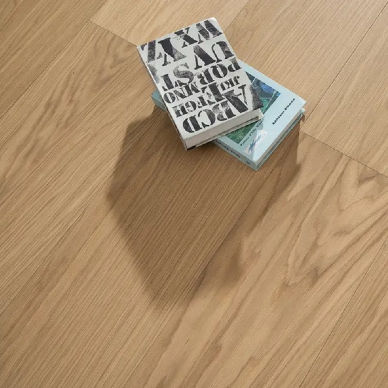
Smooth wood flooring is exactly what it sounds like—floorboards that are sanded and finished to a perfectly flat, even surface. It’s the traditional choice for a polished, refined look. Smooth floors can range from satin to high-gloss finishes and are often associated with classic or modern interiors.
Textured wood flooring, on the other hand, features deliberate surface variations to add character and depth. This includes styles like hand-scraped, wire-brushed, and distressed finishes. The texture gives the floor a rustic or vintage appeal, and no two planks are exactly alike. It’s especially popular in farmhouse, industrial, and coastal designs.
The first major difference is how these two flooring types look and feel in a space.
Smooth floors have a sleek, polished appearance that reflects light evenly and makes a room feel bright and clean. They are often used in more formal settings, such as traditional dining rooms, modern living areas, and luxury bedrooms. Their uniformity contributes to a tidy and sophisticated aesthetic. Smooth floors allow the natural grain of the wood to shine through clearly, which is ideal if you want a clean, minimalist look.
Textured floors offer a more organic, tactile appearance. The surface variations catch light in different ways, creating a dynamic and inviting feel. This type of flooring fits beautifully in rustic, vintage, or eclectic interiors. The texture gives the impression of aged wood or craftsmanship, making a space feel lived-in and warm. It’s a great match for interiors that aim for a natural or artisanal ambiance.
Another noticeable difference between smooth and textured wood flooring is how it feels underfoot.
Smooth floors offer a consistent, even surface that feels soft to walk on, especially when barefoot or with socks. This makes them a favorite for bedrooms, nurseries, or any place where comfort is a priority.
Textured floors, due to their uneven surface, have a more tactile feel. While still comfortable, the added texture may be felt more prominently. This isn’t usually a problem but is something to consider if you're particularly sensitive to touch or plan to spend a lot of time walking barefoot.
Durability is a top concern for most homeowners, especially in busy households with kids, pets, or heavy foot traffic.
Smooth wood floors are more prone to showing scratches, dents, and scuffs. The even surface makes imperfections stand out, especially on high-gloss or dark finishes. If you choose smooth flooring, you may need to take extra precautions—like using area rugs and furniture pads—to preserve its flawless look.
Textured floors naturally hide wear and tear. Scratches and dents blend into the existing texture, making them less noticeable. This makes textured wood flooring ideal for high-traffic areas, such as hallways, kitchens, or family rooms. It’s also a smart choice for pet owners or families with children who want a forgiving surface that maintains its appearance over time.
Wood floors require regular cleaning to stay looking their best, and the surface texture can affect how easy they are to maintain.
Smooth floors are easier to clean because dirt and debris sit on top of the even surface and are simple to sweep or vacuum away. Spills can be wiped clean without getting trapped in crevices. However, the visibility of dust and footprints may be higher, especially on darker finishes.
Textured floors may require slightly more effort to clean, as dust and debris can settle into the grooves. A vacuum with a soft brush attachment or a microfiber mop is often more effective than a broom. Spills also need to be wiped promptly to prevent buildup in textured areas. However, the irregular surface hides dust and smudges better between cleanings.
Flooring safety is especially important in homes with children, elderly individuals, or anyone prone to slipping.
Textured wood flooring tends to offer better slip resistance due to its uneven surface, which provides more grip. It’s a smart choice for stairs, entryways, or bathrooms where water or spills may occur.
Smooth floors, particularly when finished with a high-gloss coating, can be more slippery, especially when wet. Choosing a matte or satin finish can reduce this risk, and adding rugs or runners in key areas helps improve safety.
Both smooth and textured flooring are available in various forms, including solid hardwood, engineered wood, and laminate.
The main consideration here is how well your chosen style hides installation flaws or uneven subfloors.
Smooth flooring requires a very flat subfloor, as any imperfections can become noticeable under the sleek surface. On the other hand, textured flooring can disguise minor subfloor issues, which can be helpful in older homes or when installing over less-than-perfect surfaces.
Wood flooring naturally changes over time, gaining character and color from exposure to light and use.
Smooth floors tend to develop visible signs of wear, like scratches or faded spots, more noticeably. While this can be managed with refinishing, it’s something to keep in mind if you prefer a floor that always looks new.
Textured floors age more gracefully. Their irregular finish allows imperfections to blend in, and the patina they develop over time often enhances their character rather than detracts from it. This makes them a long-term favorite for those who appreciate the beauty of aging wood.
In general, both smooth and textured wood flooring are available across a range of price points. The final cost will depend on the species of wood, the plank width, thickness, and whether the flooring is solid or engineered.
Textured flooring, particularly hand-scraped or artisan-finished types, can sometimes be slightly more expensive due to the additional labor or manufacturing process. However, many machine-textured options are comparable in price to smooth flooring.
It's also worth considering lifecycle costs. Because textured floors hide wear better, they may require fewer refinishing treatments, saving money in the long run.
So which one is better—smooth or textured wood flooring? The answer depends entirely on your lifestyle, design preferences, and how you use each space in your home.
Choose smooth wood flooring if you:
Prefer a sleek, modern, or traditional aesthetic
Want a surface that is easy to wipe clean
Live in a low-traffic home or adult-only household
Don’t mind doing touch-ups or refinishing to keep it looking pristine
Choose textured wood flooring if you:
Enjoy rustic, natural, or vintage styles
Have kids, pets, or a busy household
Want a surface that hides scratches and dirt better
Value a floor that develops personality and character over time
Many homeowners even choose to use both types in the same home. For example, textured flooring in entryways and living rooms, and smooth flooring in bedrooms or home offices. This allows for functional and stylistic versatility while catering to the demands of each space.
Choosing between smooth and textured wood flooring is more than just a design decision—it’s about how you want your home to function and feel. Smooth wood flooring offers classic elegance and a refined finish, while textured wood flooring adds depth, durability, and a natural touch.
Ultimately, the best choice is the one that complements your lifestyle, reflects your personal style, and makes your home feel more like you. Whether you opt for the glossy simplicity of smooth wood or the charming authenticity of textured planks, either can be the perfect foundation for a beautiful and comfortable living space.
If you’re still unsure, visiting a showroom or requesting flooring samples can help you feel the difference firsthand and see how each type looks in your space. Your floors are a long-term investment—make the choice that makes you feel at home every step of the way.


