
Views: 0 Author: Site Editor Publish Time: 2025-09-17 Origin: Site


A wood floor can completely transform a room, but over time, it may lose its shine. Scratches, dull patches, and old finishes make even the most beautiful solid wood flooring look tired. Sanding restores the surface and prepares it for a new finish. This guide walks you through every stage of sanding, whether your home has traditional hardwood floors or patterned parquet floors.
Floor sanding is the process of removing the top surface of a wood floor using abrasive sanding tools. This step uncovers a fresh, smooth layer beneath that looks clean and renewed. People often sand their wood floors to erase scratches, dents, or stains that have developed over time. It also prepares the surface for a new finish, giving the floor better protection and a refreshed appearance. Sanding helps bring back the natural color and texture of the planks, making the entire surface look even again. Most importantly, it extends the life of the wood floor, allowing it to remain durable and beautiful for years.
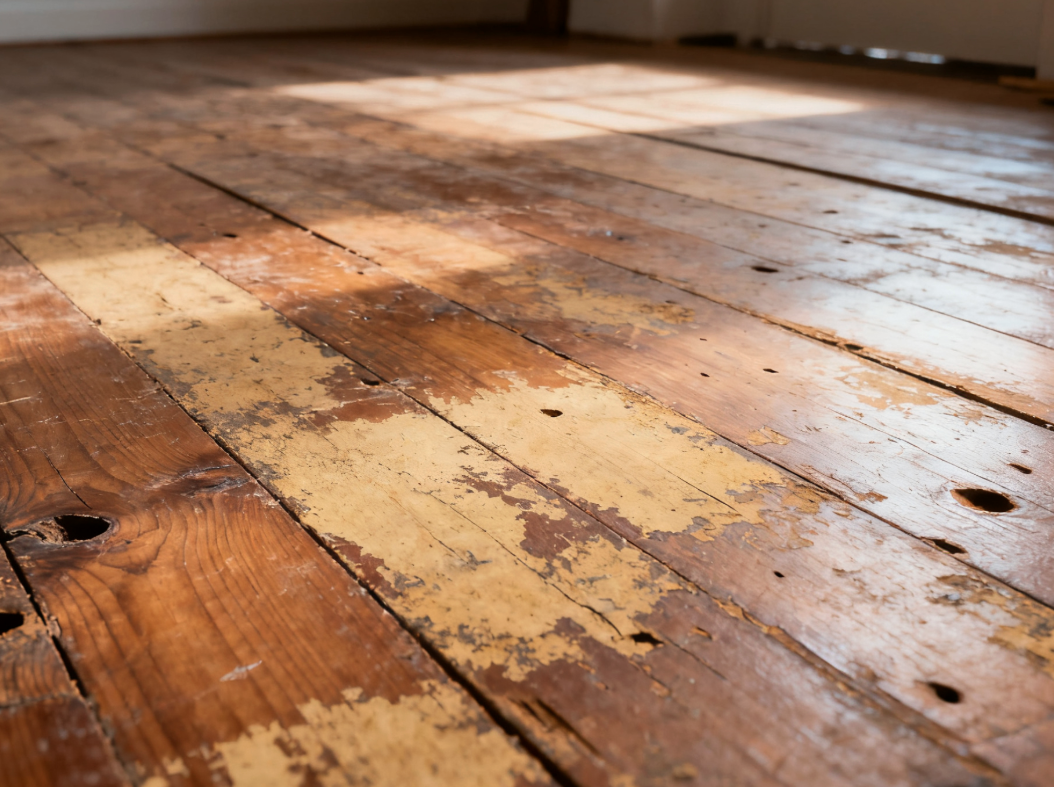
Check your wooden flooring carefully:
Water no longer beads on the surface.
Old varnish flakes or peels.
Scratches expose bare wood.
When these signs appear, sanding hardwood floors is the next step.
To sand wood floor, prepare these tools:
| Tool / Material | Purpose | Notes |
|---|---|---|
| Drum or Orbital Sander | Main sanding machine | Drum = powerful, Orbital = safer for beginners |
| Edge Sander | Smooths walls and parquet floor corners | Compact, precise |
| Sandpaper (40–120 grit) | Levels and polishes the wood surface | Use progressively finer grits |
| Wood Filler | Fills cracks in solid wood floors | Mix filler + collected dust |
| Safety Gear | Protects eyes, lungs, and hearing | Essential for all DIY work |
For hardwood floors and parquet, you’ll use either:
Drum Sanders: Ideal for large solid wood flooring areas. Fast but harder to control.
Orbital Sanders: Slower but safer for beginners. Great for restoring smaller wood floors.
Kick off your wood floor sanding project by using 36–40 grit sandpaper. This coarse grit is perfect for removing the old finish from solid planks or parquet. It’s designed to strip away the top layer of the existing finish, revealing the raw wood beneath. This step is crucial for ensuring that any imperfections, stains, or previous coatings are completely removed, giving you a clean slate to work with. Make sure to sand in the direction of the wood grain to minimize scratches and achieve a smoother finish.
Once the coarse sanding is done, switch to 60 grit sandpaper. This medium grit helps to smooth out any scratches left from the coarse sanding process. It also prepares the surface of the hardwood floor for the final finishing touches. Medium sanding ensures that the floor is free from deep scratches and has a more uniform texture. This step is essential for achieving a professional-looking result and ensuring that the floor is ready for the finer sanding that follows.
For the final sanding pass, use 100–120 grit sandpaper. This fine grit will give your floor a polished and smooth surface. After this step, your solid wood flooring should feel smooth to the touch, even under bare feet. Fine sanding is all about achieving a high-quality finish that looks and feels great. It removes any remaining imperfections and leaves the wood with a silky smooth texture, ready for the application of your chosen finish.
Don’t forget about the edges and corners of the room. Use an edge sander to tackle the edges of the parquet and the borders of the room. These areas can be tricky to reach with larger sanding machines, so an edge sander is a must-have tool for a thorough job. For those hard-to-reach corners, hand sanding is often the best approach. Take your time to ensure that every part of the floor is sanded evenly and smoothly, leaving no rough spots or uneven areas.
After sanding, you might notice some small gaps or cracks in the planks. To address these, mix the collected dust from your hardwood floors with wood filler. This creates a custom filler that matches the color of your floor. Spread the mixture into the small cracks and gaps for a seamless, professional look. This step is important for preventing drafts, dust collection, and ensuring that your floor looks its best.
Once your floor is sanded and ready, it’s time to apply a finish to protect and enhance the wood. Here are a few options to consider:
Varnish: This is a great choice for protecting solid wood flooring from spills and everyday wear. It provides a durable, protective layer that helps to preserve the wood’s natural beauty. Varnish comes in various sheens, from matte to high gloss, so you can choose the look that best suits your home.
Oil: For a more natural, matte look, oil is an excellent choice. It penetrates the wood, bringing out its natural colors and grain patterns. Oil finishes are easy to apply and maintain, making them a popular choice for hardwood floors.
Hard Wax Oil: This finish enhances the grain patterns of parquet and other types of wood flooring. It provides a durable, water-resistant surface while maintaining a natural look. Hard wax oil is easy to apply and can be buffed to a soft sheen for a beautiful finish.
No matter which finish you choose, always apply it in thin, even coats. This ensures long-lasting results and prevents the finish from looking too heavy or artificial. Follow the manufacturer’s instructions for drying times and application methods to achieve the best possible result. Proper application will help to ensure that your floor looks great and remains protected for years to come.
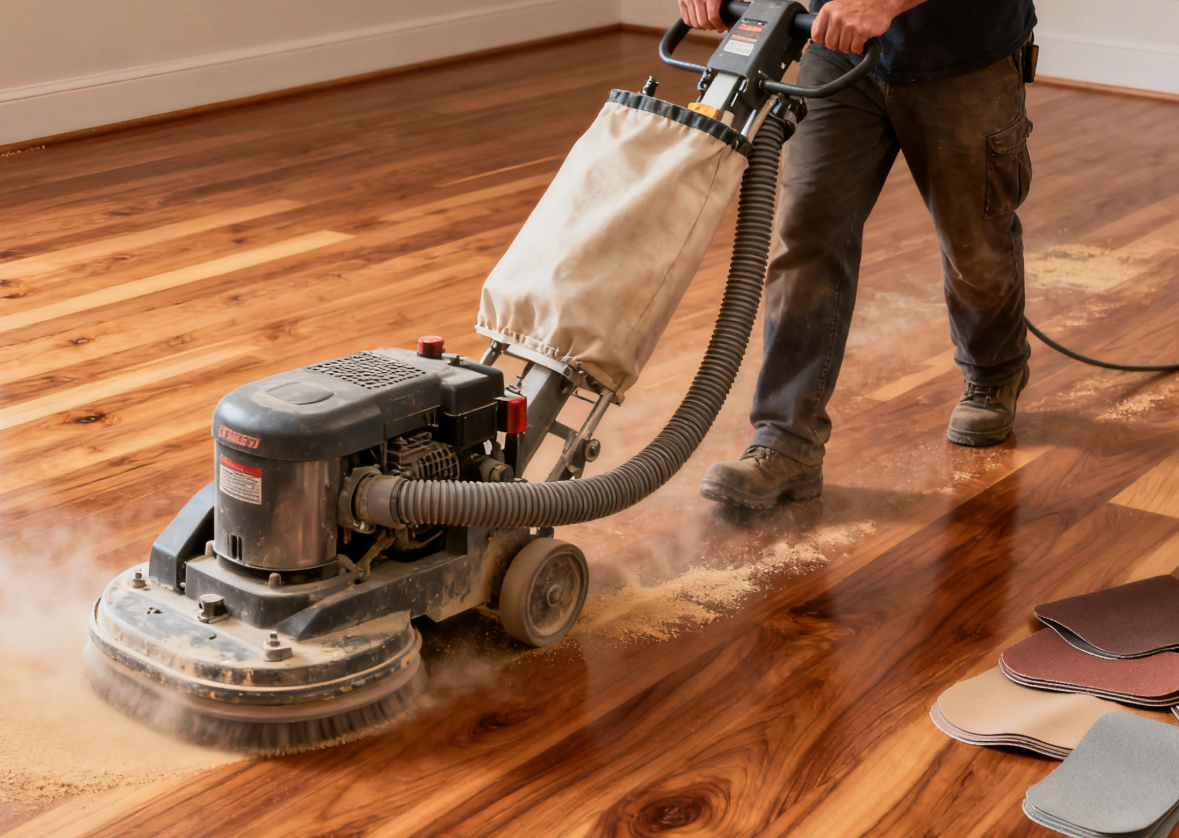
Taking care of your wood floors is essential to keep them looking beautiful and lasting long. Here are some detailed tips to help you maintain the elegance and durability of your wood floors:
Sweep or Vacuum Weekly: Regular sweeping or vacuuming helps remove dirt, dust, and debris that can scratch the surface of your wood floors. Use a soft-bristle broom or a vacuum cleaner with a hardwood floor attachment to avoid damaging the wood. This simple step can prevent a lot of wear and tear over time.
Avoid Wet Mopping Wood Floors: Excess moisture can damage wood floors, leading to warping or discoloration. Instead of wet mopping, use a slightly damp mop or cloth to clean spills and stains. Make sure the mop is not too wet; it should be just damp enough to pick up dirt without soaking the floor.
Use Pads Under Chairs and Furniture: Furniture legs can scratch and dent wood floors. To protect your floors, place felt pads or rubber protectors under the legs of chairs, tables, and other furniture. This not only prevents scratches but also reduces the risk of dents and gouges from furniture being moved around.
Refinish Wood Floors Every 7–10 Years: Over time, the finish on wood floors can wear down, making them look dull and less protected. Refinishing your floors every 7–10 years can restore their shine and protect them from further damage. This process involves sanding down the old finish and applying a new protective layer, which can significantly extend the life of your floors.
Control Indoor Humidity: Wood floors are sensitive to changes in humidity. Maintaining a consistent indoor humidity level between 40% and 60% can prevent wood from expanding or contracting, which can cause gaps or cracks. Using a humidifier or dehumidifier can help maintain the ideal humidity levels.
Promptly Clean Spills: Accidents happen, but it’s important to clean up spills immediately to prevent stains and water damage. Use a clean, dry cloth to blot up any spills as soon as possible.
Use Area Rugs: Placing area rugs in high-traffic areas can help protect your wood floors from scratches and wear. Choose rugs with non-slip backing to prevent them from moving around and causing accidents.
By following these maintenance tips, you can keep your wood floors looking their best and ensure they remain a beautiful and durable feature in your home for years to come.
Yes, but only if the veneer layer is thick enough.
Usually 3–5 times over its lifetime.
Yes, often sanded diagonally first, then along the grain.
Only for small repairs—not for a full room.
Sanding a wood floor is an essential step in keeping your floors looking fresh, smooth, and well-maintained. Whether removing scratches, restoring color, or preparing for a new finish, proper sanding can dramatically extend the life of your floors. Using the right tools, grit progression, and careful techniques ensures a professional-looking result, even for DIYers. For those seeking high-quality materials to complement your renovated floors, Foshan Zesheng Building Materials Co. Ltd offers a wide range of durable wood flooring solutions that combine beauty and long-lasting performance, helping you achieve the perfect finish for any space.


