
Views: 0 Author: Site Editor Publish Time: 2025-09-19 Origin: Site


Are you looking to transform your concrete floors into beautiful wood floors? Installing wood flooring over concrete can add warmth, elegance, and value to your home. Whether you’re working with solid wood floors or engineered wood floors, the process involves several key steps to ensure a successful installation. In this comprehensive guide, we’ll walk you through the entire process, from preparing the concrete subfloor to acclimating the wood flooring. By following these steps, you can achieve a stunning wood floor that will enhance the beauty and comfort of your living space.
First up, you gotta make sure your concrete subfloor is ready for the new wood floor. This means checking if it’s level, clean, and most importantly, dry. Any bumps or uneven spots need to be fixed, and all dust and debris should be swept away. Why? Because a smooth, clean surface helps the wood floor stick better and last longer.
Moisture is a big deal when it comes to wood floors. Too much moisture in the concrete can cause the wood to warp or buckle over time. To avoid this, you need to test the concrete for moisture. You can use a moisture meter to get an accurate reading. For solid wood floors, the moisture content should be below 4%. For engineered wood floors, it should be below 12%. If you don’t have a moisture meter, you can do a simple plastic sheet test. Tape a clear plastic sheet to the concrete and leave it for 24 - 48 hours. If you see moisture collecting under the plastic, the concrete is too damp for wood floor installation.
Cleaning the concrete surface is pretty straightforward. Sweep it thoroughly to remove any loose debris. If there are any high spots, you can use a concrete grinder to smooth them out. For low spots, fill them in with a leveling compound. This helps create a flat surface, which is super important for preventing future issues like warping or cracking in the wood floor.
Once the concrete is dry and clean, you need to install a vapor retarder. This is like a protective layer that stops moisture from the concrete slab from reaching the wood floor. You can use a 4 - 6 mil polyethylene film. Lay it over the entire slab, overlapping the edges by 4 - 6 inches. If you’re dealing with severe moisture conditions, you might need to prime the slab and apply a layer of cold, cut - back asphalt mastic before laying the film. Make sure to puncture any bubbles to release trapped air. This step is crucial because it helps maintain the integrity of your wood floor.
Now that your concrete subfloor is prepped, it’s time to install a subfloor. This provides a stable base for your wood floor and helps manage moisture. There are a few different subfloor systems you can choose from, like plywood - on - slab, sleeper system, or a floating subfloor. Each has its own method and benefits.
The plywood - on - slab system is pretty straightforward. You start by covering the entire slab with a vapor retarder, like the polyethylene film we talked about earlier. Then, apply a layer of cold, cut - back asphalt mastic and unroll a layer of 15 - lb asphalt felt. After that, lay down 3/4 - inch exterior plywood panels over the entire area, leaving a small gap at the wall line and between panels. Fasten the plywood to the slab using power - actuated fasteners. This method gives you a solid base for your wood floor.
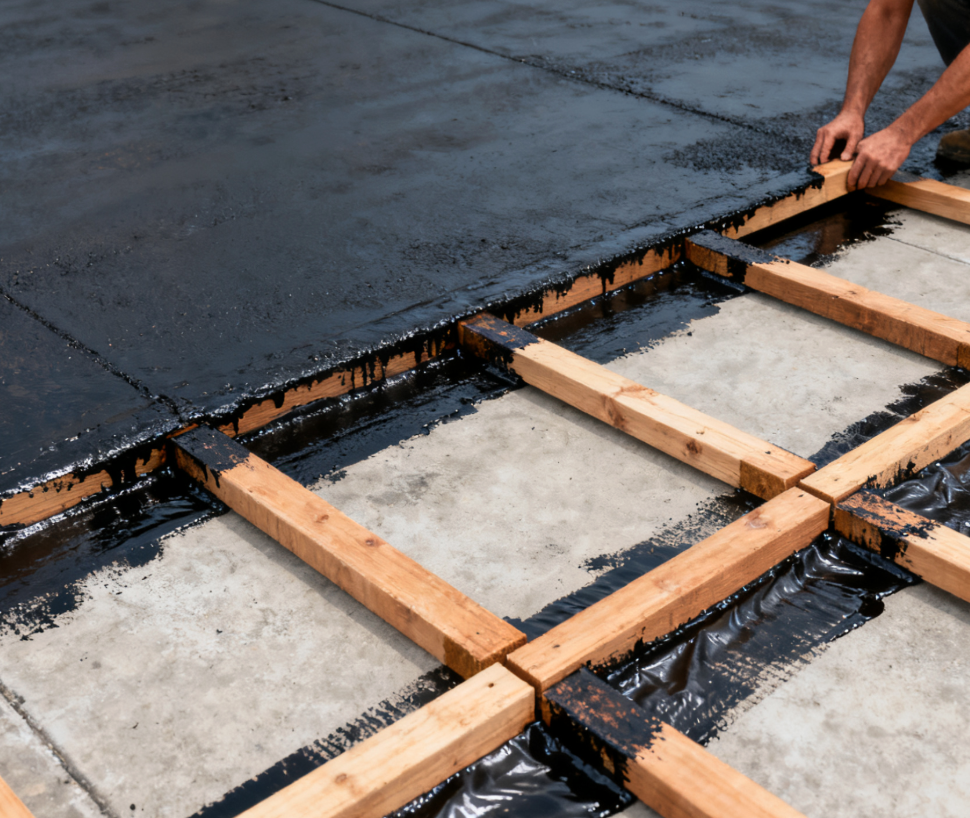
The sleeper system uses treated sleepers (2x4s) embedded in asphalt mastic to create a nailing base for the wood floor. First, sweep the slab clean and apply an asphalt primer. Let it dry completely. Then, lay a vapor retarder over the slab. Embed the sleepers in rivers of hot or cold asphalt mastic, spacing them 6 - 7 inches apart. Stagger the end joints and overlap them by 4 inches. Finally, lay another layer of vapor retarder over the sleepers and nail the finished wood floor to the sleepers through the film.
A floating subfloor is a bit different. It consists of two layers of plywood secured together over a vapor retarder. Start by covering the slab with a vapor retarder. Lay the first layer of 3/4 - inch plywood panels, leaving a gap at the wall line and between panels. Then, lay the second layer of plywood, staggering the seams from the first layer. Secure the two layers together with screws or nails, making sure no fasteners penetrate the vapor retarder or the concrete. This system allows the floor to “float” and is great for larger, open spaces.
With the subfloor in place, you’re ready to install the wood flooring. There are a few different methods you can use, like gluing down, nailing down, or installing a floating floor. Each method has its own advantages and specific requirements.
Gluing down hardwood floors is a popular method. It involves using mastic glue to create a strong bond between the wood and the concrete. Use a notched trowel to spread the glue evenly over the concrete. Then, place the wood planks onto the glue and press them firmly into place. This method works well for both solid and engineered wood flooring. It provides a strong bond and helps prevent the wood from shifting or warping over time.
Nailing down hardwood floors is another option, especially for solid wood floors. This method requires a plywood subfloor over the concrete. First, install the plywood subfloor as we discussed earlier. Then, use mechanical fasteners like cleats, nails, or staples to secure the hardwood planks to the plywood. Start at the longest, straightest wall and work your way across the room. This method provides a stable and durable floor, ideal for achieving a classic hardwood look.
A floating floor is a bit different. The planks are not attached directly to the subfloor but are instead connected to each other. This allows the floor to expand and contract without buckling. To install a floating floor, start by laying a vapor retarder over the concrete. Then, begin laying the planks from one corner, snapping them together. Make sure to leave an expansion gap around the perimeter of the room. This method is easy to install and adjust but may not provide as strong a hold as the glue - down or nail - down methods.
Before you start installing, you need to let the hardwood flooring acclimate to the environment. This means letting the wood adjust to the room’s temperature and humidity. Why? Because wood absorbs and releases moisture based on its surroundings. If the wood isn’t acclimated properly, it can warp or shrink after installation, causing gaps or other issues.
To acclimate the wood, you need to measure the moisture content of both the wood and the subfloor. Use a moisture meter to check these levels. For flooring less than 3 inches wide, the moisture difference should be within 4%. For flooring 3 inches or wider, the difference should be within 2%. Without a proper moisture meter, you can’t accurately determine if the flooring has been acclimated.
Store the wood in the room where it will be installed. Remove it from its packaging to allow air circulation. Stack the planks in small piles with spacers between layers to facilitate air movement. The acclimation process typically takes 2 - 7 days, depending on the wood type and room conditions. By following these steps, you can ensure your hardwood flooring is properly acclimated, reducing the risk of future problems.
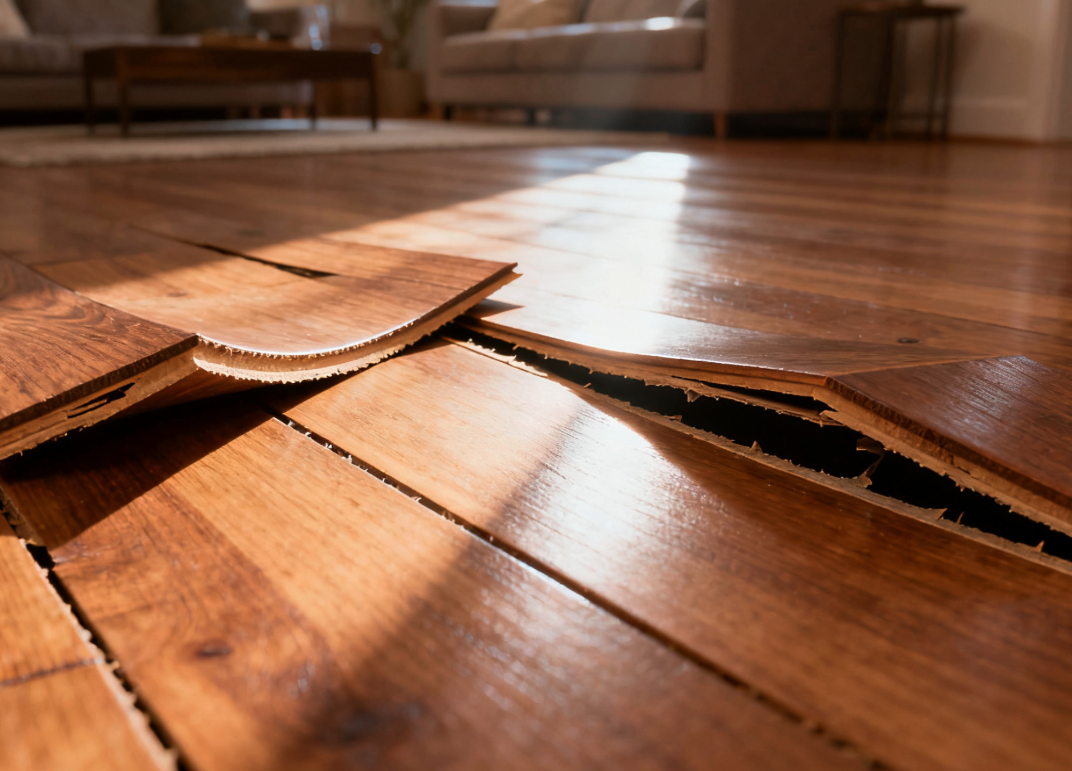
Engineered wood floors are often a better choice for concrete subfloors. They are more stable and less prone to expansion and contraction compared to solid wood floors. This makes them more suitable for environments with varying humidity levels.
Yes, using a vapor retarder is highly recommended. It prevents moisture from the concrete slab from reaching the wood flooring, which helps prevent warping, buckling, and mold growth. A 4-6 mil polyethylene film is commonly used for this purpose.
You can use a moisture meter to check the moisture content of the concrete. For solid wood floors, the moisture content should be below 4%. For engineered wood floors, it should be below 12%. Alternatively, you can perform a plastic sheet test by taping a clear plastic sheet to the concrete and leaving it for 24-48 hours. If moisture collects under the plastic, the concrete is too damp.
It’s best to wait at least 30 days after the concrete slab is poured to ensure it’s dry. For new concrete slabs, waiting up to 60 days is ideal. In warm weather, ensure the building is well-ventilated. In winter, maintain the building’s temperature near occupancy levels for at least five days before the flooring is delivered.
Acclimating the wood flooring is essential to ensure it adjusts to the room’s temperature and humidity. Store the wood in the room where it will be installed and remove it from its packaging to allow air circulation. Stack the planks in small piles with spacers between layers. The acclimation process typically takes 2-7 days, depending on the wood type and room conditions.
Transforming your home with wood flooring over concrete is not just a project; it’s an investment in beauty and durability. At Foshan Zesheng Building Materials Co. Ltd, we specialize in providing high-quality wood flooring solutions that enhance the elegance and value of your living space. With the right preparation, materials, and techniques, you can achieve a stunning and long-lasting wood floor that will stand the test of time.
Choose Foshan Zesheng Building Materials Co. Ltd for your flooring needs, and let our expertise guide you through every step of the installation process. We’re committed to helping you create a space that’s as beautiful as it is functional. Happy installing!


