
Views: 0 Author: Site Editor Publish Time: 2025-09-16 Origin: Site


Wooden floors bring timeless beauty, warmth, and character to any home, but they also require proper care to stay in top condition. One common issue homeowners face is the appearance of gaps between floorboards, caused by changes in humidity, temperature, or natural aging of the wood. Fortunately, these gaps can be repaired with the right methods and materials.
At Foshan Zesheng Building Materials Co. Ltd, we specialize in providing high-quality wood flooring solutions and professional guidance to help you maintain and enhance your living space. With years of expertise in building materials and flooring products, we ensure that every customer finds durable, stylish, and practical solutions for their home improvement needs.
This guide will walk you through why gaps appear in wooden floors, when to fix them, the best materials and tools to use, and how to prevent future problems—so you can keep your wooden flooring looking flawless for years to come.
Wooden floors add warmth and character to any home. But over time, you might notice gaps between the planks. These gaps can appear for a few reasons. Wood naturally expands and contracts with changes in humidity and temperature. Sometimes, gaps happen because of how the floor was installed or just because the wood has aged.
Gaps in wooden floors are pretty common. They show up because wood moves. When it’s humid, wood swells. When it’s dry, it shrinks. If your floor wasn’t installed perfectly, gaps might get bigger over time. Water damage can also cause gaps. If your floor has gaps, don’t worry. It’s normal, and there are ways to fix it.
Not all gaps need filling. Small gaps are usually fine. But if gaps let in drafts, collect dust, or pose a tripping hazard, it’s time to fix them. Check your floor during different seasons. If gaps are still there in the humid season, they’re likely permanent and ready to be filled.
To fill gaps in your wooden floor, you’ll need some supplies. Depending on the method you choose, you might need wood filler, wood strips, wood dust, or PVA wood glue. You’ll also need tools like a chisel, hammer, vacuum cleaner, sandpaper, and a putty knife. Safety gear like goggles, gloves, and a dust mask is important too.
Wood Filler or Putty: This is great for small gaps. It comes in different colors to match your floor.
Wood Strips: These are thin pieces of wood that fit into larger gaps.
Wood Dust and Resin: This mix creates a filler that matches your floor perfectly.
Chisel: Helps clean out the gaps.
Hammer: Taps wood strips into place.
Vacuum Cleaner: Removes dust and debris.
Sandpaper: Smooths the filled area.
Putty Knife: Applies the filler.
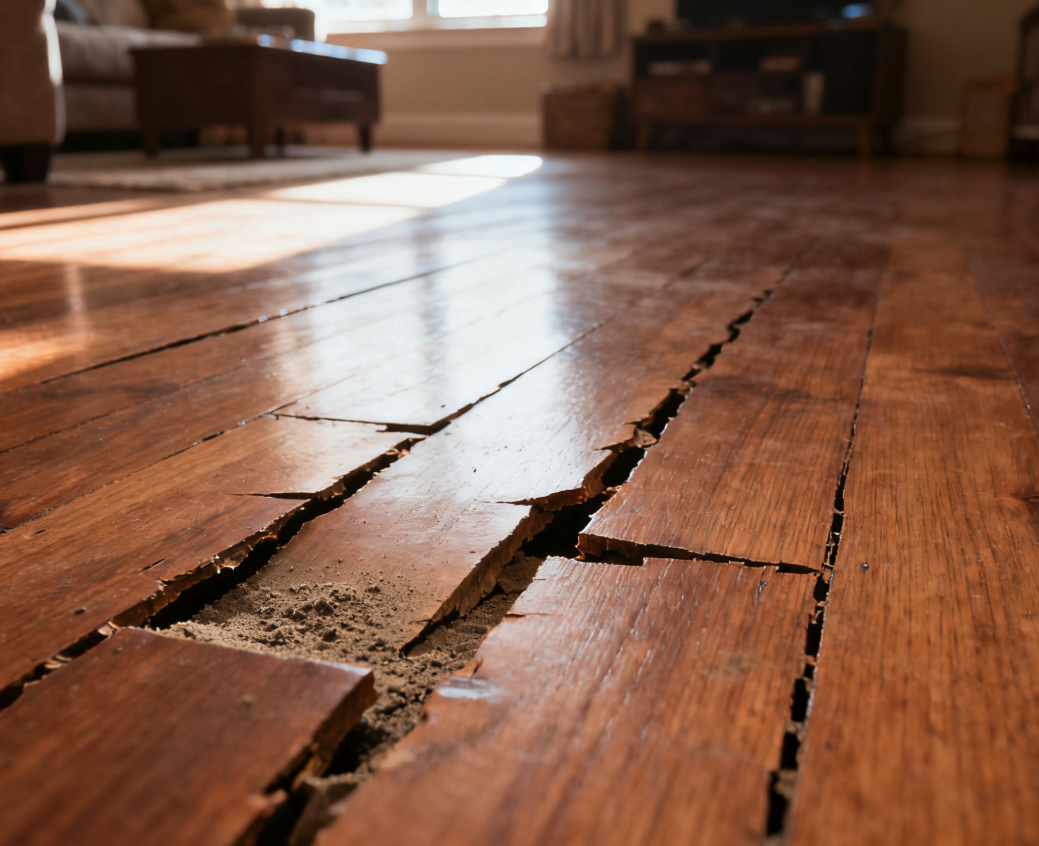
When it comes to filling gaps in a wooden floor, the method you choose can make a big difference in the final result. The right choice depends on several factors, including the size of the gaps, the type of wood you have, and the finish of your floor. Here’s a closer look at three common methods to help you decide which one is best for your situation.
Wood filler and putty are easy-to-use solutions that come in tubes or cans. They’re available in a variety of colors, making it simple to find a match for your floor. Some even come with colorants, allowing you to customize the shade. These fillers dry relatively quickly, so you can complete the job in a short amount of time.
However, wood filler lacks flexibility. If the gaps expand or contract with changes in humidity and temperature, the filler can crack. It’s best suited for small to medium gaps. For larger gaps, a more substantial filler is needed.
Wood strips provide a natural and durable solution. They blend in seamlessly, especially if you use strips made from the same type of wood as your floor. Wood strips can withstand the natural movement of the floor better than some other fillers, making them a versatile option for larger gaps.
But this method is more labor-intensive. You’ll need to measure and cut each strip precisely to ensure a snug fit. It also requires additional tools like a table saw or a track saw, which might not be available to everyone.
Mixing wood dust from your floor with resin creates a custom filler that matches your floor perfectly. This ensures a seamless finish that blends in almost invisibly. The mixture can be adjusted to match the consistency you need, making it suitable for a variety of gap sizes.
However, this method can be tricky. Mixing the right amount of wood dust and resin requires some practice. Applying the mixture evenly and ensuring it fills the gaps completely can be challenging, especially for beginners. Depending on the type of resin used, the drying time can also vary, and it might take longer than other methods.
For small to medium gaps that don’t change much with the seasons, wood filler or putty is a good choice. It’s quick and easy to apply and provides a neat finish.
For larger gaps, especially in older floors, wood strips are a better option. They offer a more durable and natural-looking solution.
If you need a seamless finish that matches your floor perfectly, wood dust and resin is the way to go. It requires more effort but provides the best results.
No matter which method you choose, the key is to select one that suits your specific needs and skill level. With the right approach, you can restore your wooden floor to its former glory and enjoy a smooth, beautiful surface once again.
Start by cleaning your floor. Vacuum or sweep up any loose dust and debris. Use a chisel to clean out the gaps. This ensures the gaps are ready for the filler.
Choose a filler that matches your floor color. If using wood strips, cut them to fit the gaps. For a custom filler, mix wood dust and resin until you have a paste that matches your floor.
Wood Filler or Putty: Apply it with a putty knife, filling the gap completely.
Wood Strips: Apply wood glue into the gap, insert the strip, and gently tap it into place with a hammer.
Wood Dust and Resin: Apply the paste with a putty knife, ensuring each gap is filled.
Follow the manufacturer’s instructions for drying time. This usually takes a few hours to a day. Make sure the filler is completely dry before moving on.
Once the filler is dry, sand the area until it’s flush with the rest of the floor. Start with coarse sandpaper and move to finer grades. Wear a dust mask to avoid inhaling wood dust.
After sanding, clean the area thoroughly. Apply your chosen finish—oil, lacquer, or wood stain—to seal the filler and protect the floor. Ensure the finish matches the rest of your floor for a consistent look.
| Step | Action | Details |
|---|---|---|
| 1. Prepare the Floor | Clean the floor | Vacuum or sweep up loose dust and debris. Use a chisel to clean out the gaps. |
| 2. Select and Prepare Your Filler | Choose the filler | - Wood Filler or Putty: Choose a color that matches your floor. - Wood Strips: Cut strips to fit the gaps. - Wood Dust and Resin: Mix to create a matching paste. |
| 3. Apply the Filler | Fill the gaps | - Wood Filler or Putty: Apply with a putty knife, filling the gap completely. - Wood Strips: Apply wood glue into the gap, insert the strip, and gently tap it into place with a hammer. - Wood Dust and Resin: Apply the paste with a putty knife, ensuring each gap is filled. |
| 4. Let the Filler Dry | Follow drying instructions | Follow the manufacturer’s instructions for drying time (usually a few hours to a day). Ensure the filler is completely dry. |
| 5. Sand the Filled Area | Sand the filled gaps | Sand until the filled area is flush with the floor. Start with coarse sandpaper and move to finer grades. Wear a dust mask. |
| 6. Finish the Floor | Apply finish | Clean the area thoroughly. Apply oil, lacquer, or wood stain to seal and protect the floor. Ensure the finish matches the rest of your floor. |
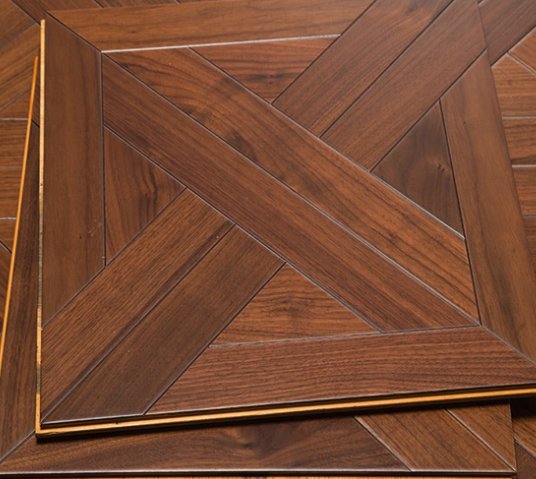
Preventing gaps is easier than fixing them. Maintain a consistent indoor climate. Keep humidity levels between 40% and 60%, and temperatures between 60 and 80 degrees Fahrenheit. Using a humidifier or dehumidifier can help. Proper installation is also key. Let the wood flooring acclimate to the room’s conditions before installing it, and lay the planks tightly.
Humidity Levels: Aim for 40% to 60%.
Temperature: Keep it between 60 and 80 degrees Fahrenheit.
Tools: Use humidifiers or dehumidifiers as needed.
Acclimate Wood: Let it adjust to the room’s conditions.
Tight Planks: Ensure planks are laid tightly to prevent gaps.
Gaps usually occur because wood expands and contracts with changes in temperature and humidity. Poor installation, aging wood, or water damage can also cause gaps to form.
No. Small seasonal gaps that open in winter and close in summer are normal and don’t usually need filling. Permanent gaps that remain year-round or those that collect dust and create drafts should be repaired.
Caulk is not recommended because it’s too flexible and may not blend well with the wood. Specialized wood fillers or strips are better choices for durability and appearance.
Drying time varies by product, but most fillers take between a few hours and 24 hours. Always check the manufacturer’s instructions before sanding or finishing.
If you choose the right filler color or use wood dust from your floor, the repair can blend almost seamlessly. Wood strips cut from matching wood species also provide a natural look.
Filling gaps in wooden floors can make a big difference. It restores your floor’s beauty and makes your home more comfortable. Whether you choose a pre-made filler, wood strips, or a custom blend, the process takes patience and precision. Remember, each floor is unique. If you’re unsure about any part of the process, don’t hesitate to ask a professional. A well-maintained wooden floor can be a stunning feature in your home.


