
Views: 0 Author: Site Editor Publish Time: 2025-09-21 Origin: Site


Hardwood floors add elegance and warmth to any home, but they require careful maintenance to keep them looking their best. Many homeowners wonder, can you use bleach on wood floors? While bleach is a powerful cleaner for tiles and laundry, it can pose serious risks to wood surfaces.
At Foshan Zesheng Building Materials Co. Ltd, we provide premium flooring solutions to help you protect your investment. Understanding the right cleaning techniques—and knowing which chemicals to avoid—ensures that your floors remain beautiful and durable for years. In this article, we explore the effects of bleach on wood floors, safer alternatives, and tips for maintaining your hardwood safely.
Bleach is a powerful cleaning agent that works by breaking down chemical bonds, which makes it highly effective at removing stains. However, this same chemical action can be detrimental to wood floors. Wood is composed of organic fibers held together by chemical bonds, and when these fibers absorb bleach, it can lead to significant damage. The bleach can strip away protective finishes, weaken the wood fibers, and alter the natural color of the wood. This damage can be both immediate and long-term, affecting the appearance and structural integrity of your wood floors.
Tip: Imagine wood like a sponge. Bleach penetrates deep into the wood fibers, reaching beyond the surface to affect the underlying structure and finishes. This deep penetration can cause long-term damage that may not be immediately apparent but can compromise the integrity and appearance of your wood floors over time. It is crucial to consider the potential risks and to explore gentler, wood-friendly alternatives for cleaning and stain removal whenever possible.
Some hardwoods can tolerate mild bleach briefly, while others discolor easily.
| Wood Type | Reaction to Bleach | Notes |
|---|---|---|
| Maple | Can bleach evenly | Dense grain, careful testing needed |
| Birch | Moderate resistance | Grain may cause uneven results |
| Ash | Good candidate | Light color, consistent grain |
| Pine | Softer wood | Extra care required |
| Beech | Can bleach | Fine grain, light color |
| Gumwood | Good | Maintains appearance well |
| Mahogany / Brazilian Cherry | Avoid | Discolors badly |
| White Oak | Avoid | Often uneven or yellowed |
Note: Laminate or engineered floors can be ruined by bleach. Always test a hidden area first.
Wood is porous and absorbs liquids very quickly. When bleach comes into contact with hardwood—or even bamboo flooring—it can penetrate beneath the surface and start breaking down the protective finish. This often causes the finish to strip away, leaving the wood vulnerable. The wood itself may warp or swell from the chemical exposure, and its color can lighten unevenly. In some cases, bleach can also leave noticeable stains or marks that are difficult to remove. Even diluted bleach solutions carry a high risk of damage, which is why flooring professionals rarely recommend using bleach on wood floors.
Some homeowners still attempt bleach. If unavoidable, follow these steps to minimize the risk of damage:
Choose Mild Type – Oxalic acid is the safest option for wood floors. It is gentler than household bleach and less likely to cause severe damage. If you must use household bleach, opt for a lower concentration.
Prepare the Floor – Lightly sand the area to be treated, or thoroughly remove any dust and debris. A clean surface ensures that the bleach can work effectively without being obstructed by dirt or grime.
Dilute Carefully – Dilute the bleach according to the manufacturer’s instructions. A common ratio is ⅓ cup of bleach per gallon of water. This dilution helps to reduce the strength of the bleach and minimize its impact on the wood.
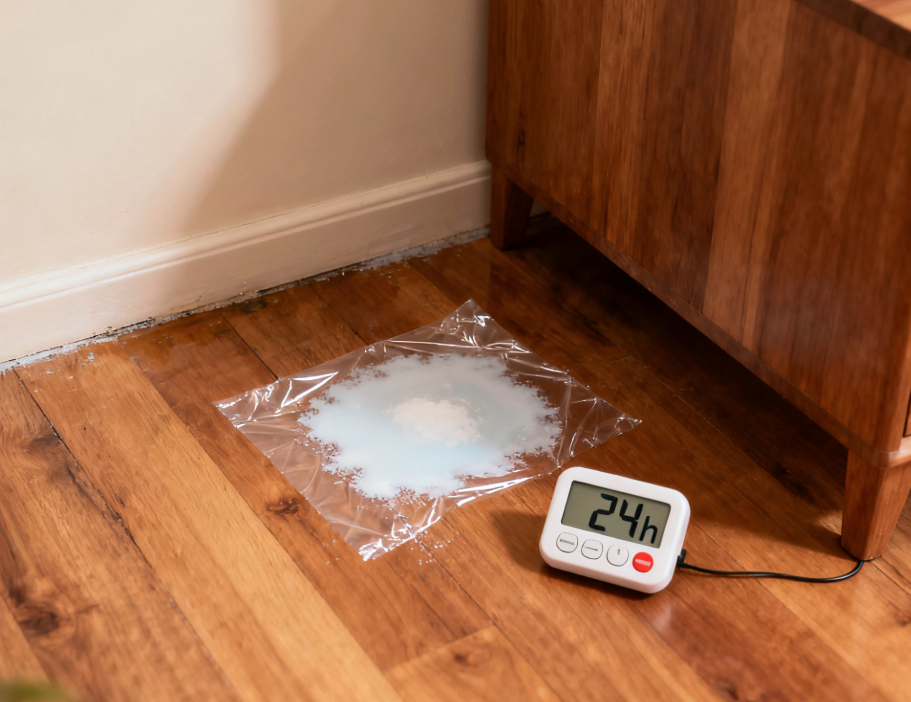
Test First – Apply a small amount of the diluted bleach to a hidden corner of the floor and let it sit for 24 hours. This test will help you determine if the bleach will cause any discoloration or damage to the wood.
Apply with Care – Use a soft brush or cloth to apply the diluted bleach. Avoid creating puddles, as standing liquid can penetrate deeper into the wood and cause more damage. Work in small sections and apply the bleach evenly.
Neutralize – After the bleach has done its job, neutralize it with a solution of white vinegar. The vinegar stops the bleaching reaction and helps to restore the pH balance of the wood.
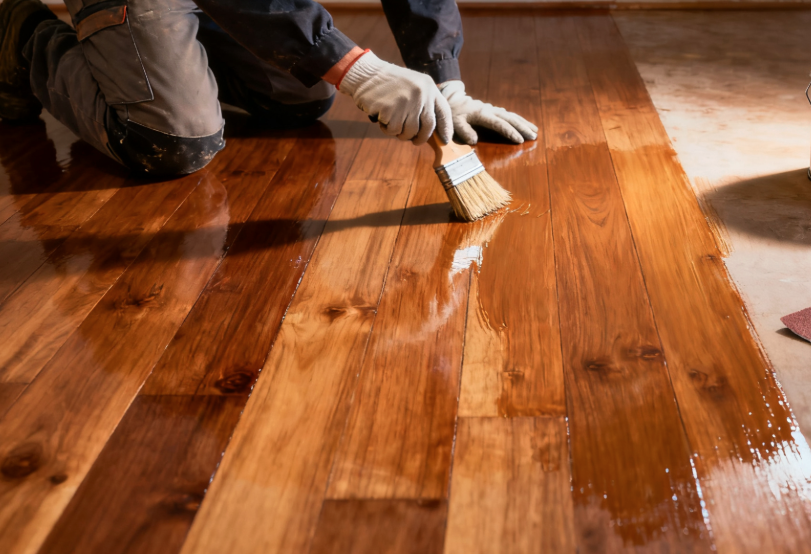
Dry and Protect – Thoroughly dry the area with a clean cloth. Once the floor is dry, reapply a protective finish to seal the wood and prevent further damage. This step is crucial to protect the wood from moisture and other potential hazards.
Even when careful, the risk remains. Bleach can leave spots or weaken the wood over time. It is always best to consider gentler alternatives whenever possible.
Gentler cleaners can effectively remove dirt, brighten floors, and protect finishes without the risks associated with bleach:
Warm Soapy Water – A drop of mild dish soap mixed with warm water is often all you need to clean most dirt and grime from hardwood floors. This solution is gentle and safe for most finishes.
White Vinegar Solution – A mixture of equal parts white vinegar and water is effective for cleaning sticky messes and removing residue. Vinegar is a natural disinfectant and can help to restore the shine to your floors.
Plant-Based Cleaners – Products like WOCA Natural Soap are designed to clean and condition hardwood floors. These plant-based cleaners are gentle on the wood and safe for the environment.
Diluted Commercial Cleaners – Some commercial cleaners, like Formula 409, can be used on hardwood floors if diluted properly. Always test the cleaner in a small, inconspicuous area first to ensure it does not damage the finish.
Benefits:
Protects Finishes: These gentler cleaners are less likely to strip away protective finishes, preserving the longevity of your wood floors.
Reduces Discoloration: Unlike bleach, these alternatives are less likely to cause discoloration or uneven coloration on the wood.
Safe for Children and Pets: Many of these gentler cleaners are safer for use around children and pets, as they do not contain harsh chemicals that can be harmful if ingested.
By choosing these safer alternatives, you can maintain the beauty and integrity of your hardwood floors while minimizing the risk of damage.
Hardwoods vary in their sensitivity to cleaning agents. While some types of hardwood may be more resistant to chemical damage, most are quite sensitive. It is essential to understand the specific characteristics of your wood floor to choose the right cleaning products. Always err on the side of caution and opt for gentler solutions.
Always test any cleaning solution, especially if it contains bleach, in a hidden area of the floor first. This simple step can help you avoid unexpected damage and ensure that the product is safe for your specific type of wood. Allow the test area to sit for 24 hours to observe any potential reactions or damage.
Opting for safer alternatives is not only beneficial for the health of your wood floors but also for the overall indoor environment. Harsh chemicals can linger in the air and on surfaces, posing potential health risks. By choosing gentler, plant-based cleaners, you can maintain a clean and healthy home without compromising the quality of your floors.
In summary, while bleach might seem like a powerful cleaning solution, it is generally not suitable for hardwood floors. Instead, consider the unique characteristics of your wood and choose safer, gentler alternatives. Testing any cleaning product in a hidden area before full application is always a wise precaution. By doing so, you can protect your wood floors, maintain a healthy indoor environment, and enjoy the natural beauty of your hardwood for years to come. Regular maintenance and the use of protective finishes can further enhance the longevity and appearance of your wood floors.
Yes. It strips finishes, weakens wood, and can cause warping.
Only in extremely limited cases, and testing first is essential.
To safely lighten hardwood floors, you can try deep cleaning or sanding, use plant-based cleaners, or apply a lighter wood stain under the guidance of a professional.
Warm water, gentle soap, or a specialized wood floor cleaner. Avoid chlorine bleach entirely.
Bleach may seem like a quick fix for stains, but the risks far outweigh the benefits for hardwood floors. It can strip finishes, weaken the wood, and cause uneven discoloration—even with careful use. Instead, consider gentler, wood-friendly cleaning options like plant-based soaps, warm soapy water, or specialized hardwood cleaners. By choosing safer alternatives, testing in hidden areas, and maintaining protective finishes, you can keep your floors looking pristine while safeguarding both your investment and your home environment.


